Introduction:
A transformer is a device that is used to increase or decrease the voltage of electricity. It makes the transmission of electricity more efficient and safer. If we understand a transformer in simple words, it works like a bridge that converts electricity from one form to another so that electricity can be delivered to distant areas.
Basic definition of a transformer
A transformer is basically an electromagnetic device that changes voltage. It does not have any motor or moving parts, so it can work for a long time without breaking down.
Working principle of a transformer
The working of a transformer is based on the principle of electromagnetic induction. When alternating current passes through one coil, it creates a magnetic field that induces voltage in the other coil. This is what increases or decreases the voltage.
Components of a transformer
Coils and wiring
Each transformer has two primary coils: primary coil and secondary coil. These wires are usually made of insulated copper or aluminum so that there is no loss of power.
Core and oil
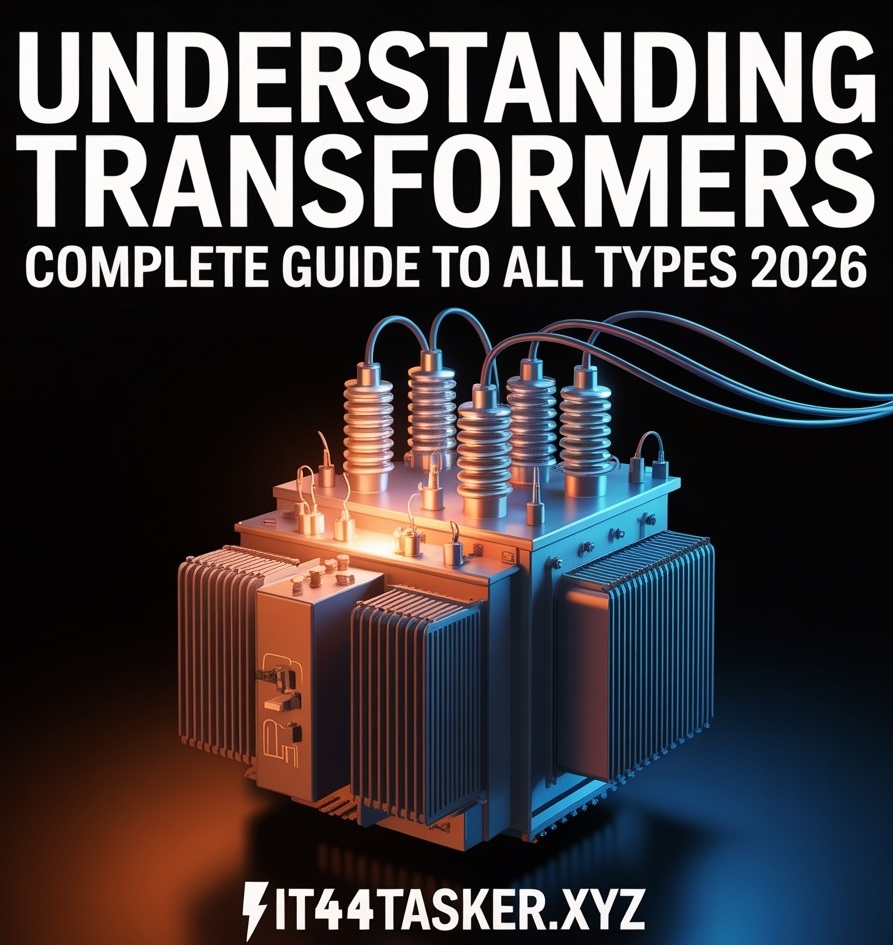
Inside the transformer is core that guides the magnetic flux. Some transformers also use insulating oil that absorbs heat and keeps the coils cool.
Types of transformers
Transformers can be divided on different bases: based on voltage, phase, and use.
Types based on voltage
High voltage transformers
These transformers are used to generate high voltages, such as long distance transmission lines.
Low Voltage Transformer
These transformers provide low voltage for domestic and office use.
Types based on feeding
Single Phase Transformer
They are used in small household appliances or light systems.
Three-phase transformer
They are used in large industries and power plants where large amounts of electricity have to be distributed.
Types based on use
Power transformer
They are designed for high capacity and industrial systems.
Distribution transformer
They are used for electricity supply in residential or commercial areas.
How does a transformer work?
Electromagnetic induction
When alternating current passes through the primary coil, it creates a magnetic field. This field induces a voltage in the secondary coil, which ultimately supplies electricity to the devices.
Increase and decrease voltage
- Step-up transformer: Increases voltage
- Step-down transformer: Decreases voltage
Both of these types make long-distance power transmission safe and efficient.
Advantages of transformers
Energy saving
Transmitting electricity to high voltage through a transformer causes less loss, which saves energy.
Transmission of electricity over distance
With the help of step-up transformers, electricity can be transmitted over long distances without major loss.
Transformer Disadvantages
- Overheating or oil leakage can cause damage
- Maintenance cost can be high
- Devices can be damaged due to fault or short circuit
Transformer Safety and Maintenance
Prevent Overloading
Always apply load according to the capacity of the transformer. Applying more load can cause burn or breakdown.
Regular Check and Maintenance
Regular inspection and oil change are necessary to maintain efficiency and avoid safety issues.
Industrial and Domestic Uses of Transformers
Transformers are used in industries for heavy machinery and production lines, and in homes for lights, fans and appliances. It is an important part of modern electricity distribution.
Conclusion
Transformers are an essential part of the world of electricity. It helps to increase or decrease voltage, transmit electricity over long distances, and reduce energy loss. Whether industrial or residential, the role of a transformer is important everywhere. With proper maintenance and protection, it remains reliable for a long time.
Frequently Asked Questions (FAQs)
1. What is a transformer?
It is a device that is used to increase or decrease the voltage of electricity.
2. What are the basic components of a transformer?
Primary coil, secondary coil, core, and sometimes insulating oil.
3. What is the difference between a step-up and step-down transformer?
Step-up increases voltage, Step-down decreases voltage.
4. Where is a transformer used?
In industrial systems, residential areas, and power distribution.
5. How to protect a transformer?
Avoid overloading, do regular maintenance, and check the oil level.