Lithium Battery:
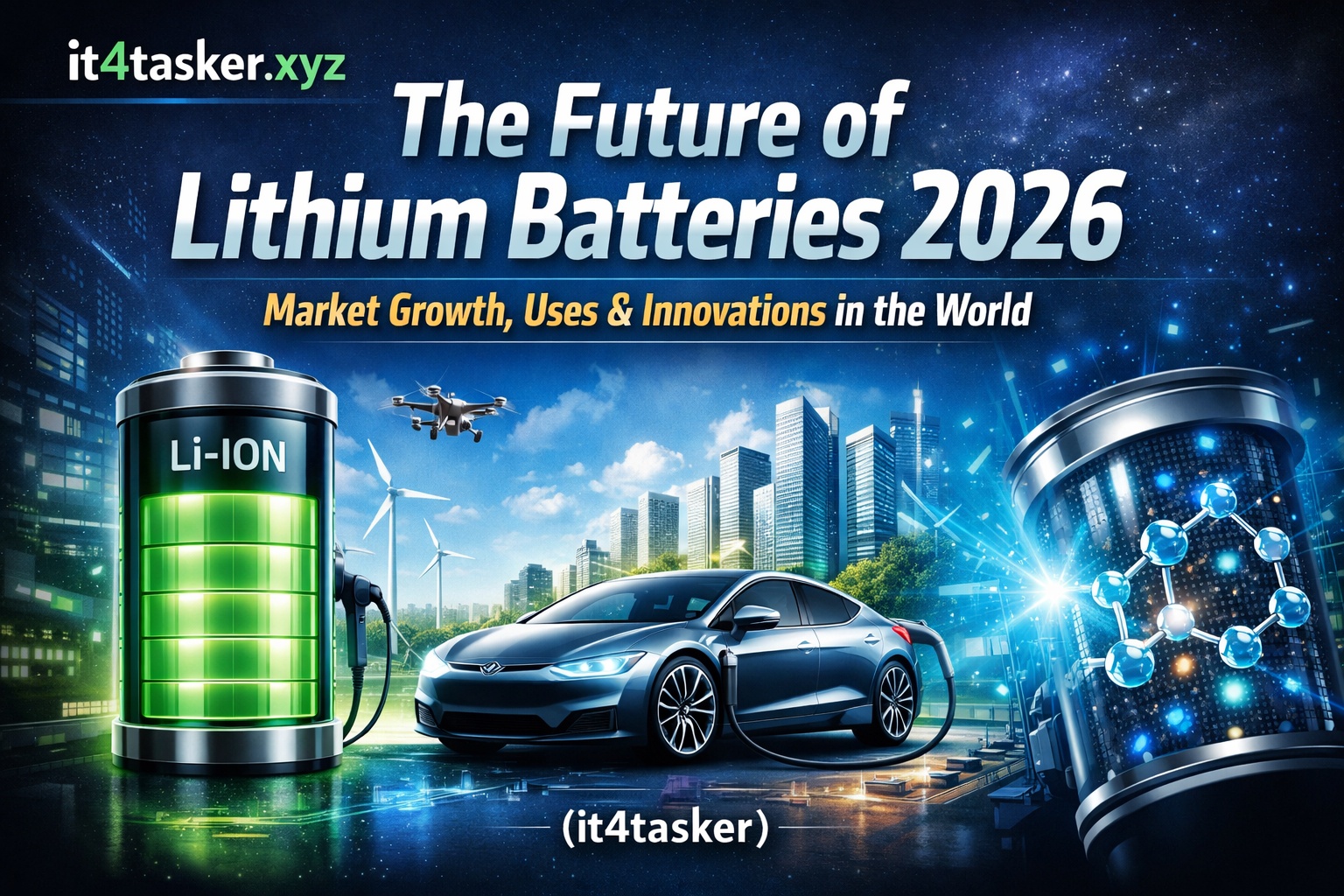
If you look at any modern device today, be it a mobile phone, a laptop or an electric vehicle, almost all of them have one thing in common—that is a lithium battery. This battery has become the backbone of today’s technology. But the question is, what exactly is this battery and why is it so important?
In simple words, a lithium battery is a rechargeable battery that has the ability to store and reuse energy. In it, lithium ions move from one electrode to another, which generates electricity. This simple but powerful system makes it different from other batteries. If you remember the old lead-acid battery, it was heavy, inefficient and prone to breakdown, while the lithium battery is lighter, faster and lasts longer.
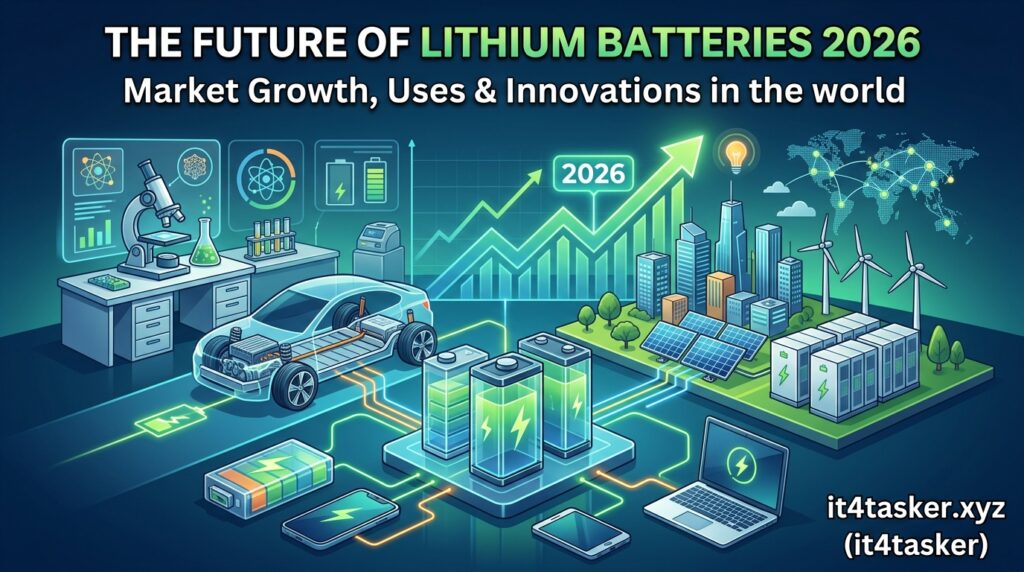
In today’s digital age, where everything depends on speed and efficiency, the lithium battery has firmly established its place. It is not just a battery, but a technology that is changing the future. That is why its importance in 2026 has increased more than ever.
Basic working principle:
The working principle of a lithium battery is quite interesting. When the battery is charged, lithium ions accumulate on one side, and when you use it, these ions move back, which releases energy. Think of it as water accumulating in a tank and then flowing out through a pipe when needed.
This process happens very quickly, which is why lithium batteries provide instant power. That is why your mobile turns on in a few seconds and electric vehicles start moving without any delay. The most important thing in this is its efficiency, as it wastes less energy and gives more output.
Types of lithium batteries:
There are different types of lithium batteries, and each has its own use and benefit. Commonly used types include:
- Lithium-ion (Li-ion) – in mobiles and laptops
- Lithium Iron Phosphate (LFP) – in solar systems and vehicles
- Lithium Polymer (Li-Po) – in drones and lightweight devices
Each type of battery is designed to meet specific needs. For example, LFP batteries are safer and have a longer lifespan, while Li-Po batteries are lighter and more flexible.
Why is lithium battery important in 2026?
The importance of lithium batteries in 2026 has increased as the world is rapidly moving towards electric and green energy. People are now looking for environmentally friendly solutions away from petrol and diesel, and lithium batteries are playing a key role here.
When it comes to electric vehicles, their demand is increasing rapidly worldwide. Large companies are shifting completely to electric vehicles, and all of them depend on lithium batteries. In addition, the use of lithium batteries in solar energy systems is also increasing, as they are the best means of storing energy.
Market Growth and Statistics:
The lithium battery market is growing rapidly in 2026. According to estimates, the value of this market has reached billions of dollars globally and is expected to increase further in the coming years. The main reason for this is the increasing demand for electric vehicles, digital devices and energy storage systems.
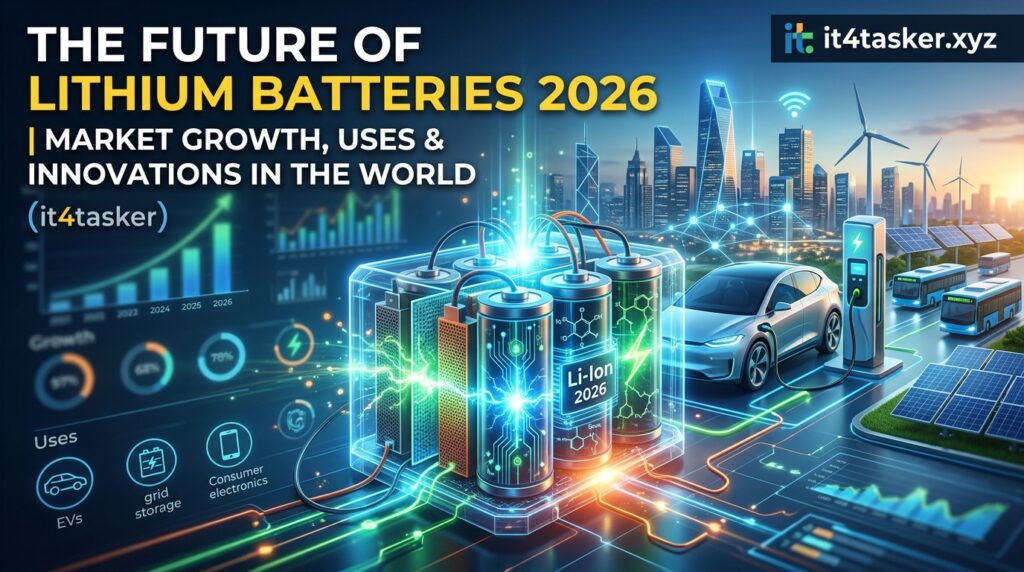
Large companies are investing in this sector, and new plants are being set up. This is not only boosting the development of technology but also creating new job opportunities.
Advantages of Lithium Batteries:
Lithium batteries have several advantages that make them better than other batteries. The most important advantage is its high energy density, meaning it can store more energy in less space. In addition, it also has a fairly long life cycle, which means it lasts longer.
Another big advantage is its light weight, which makes it ideal for mobile and electric vehicles. This is why this battery is used in every modern device today.
Disadvantages and Challenges:
Although lithium batteries have many advantages, they also have some disadvantages. The biggest problem is their cost, as lithium is an expensive element. In addition, if the battery is used incorrectly, it can also pose a fire hazard.
Furthermore, mining lithium can be harmful to the environment, which is a major challenge. That is why scientists are working on new technologies to solve these problems.
Applications:
Lithium batteries are used almost everywhere. Mobile phones, laptops, smartwatches, all run on it. In addition, electric vehicles rely entirely on lithium batteries.
This battery is also used in solar systems to store energy, so that electricity is available even at night. That is why this battery has become an essential part of modern life.
New Technology of 2026:
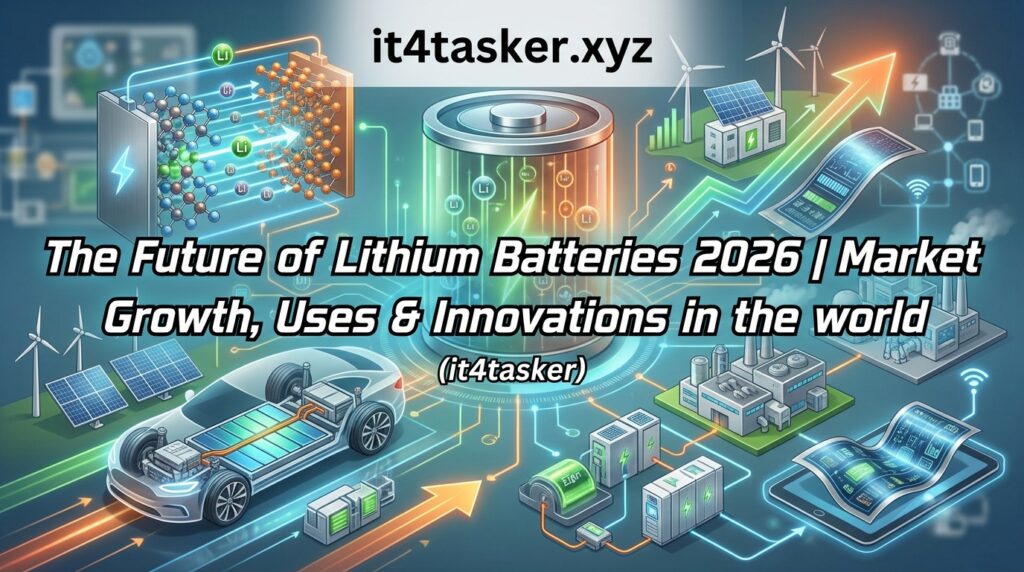
There have been many new changes in the world of lithium batteries in 2026. The most important is the solid-state battery, which is safer and more efficient. In addition, the sodium-ion battery is also being introduced, which is cheaper and more environmentally friendly.
These new technologies will play an important role in further improving lithium batteries in the future.
Future prediction:
According to experts, the lithium battery market will increase many times by 2030. Electric vehicles will become common, and the use of solar systems in homes will increase. At the same time, new battery technologies will provide even better performance.
Conclusion:
The lithium battery is not just a technology but a revolution that is changing the world. Its importance is at its peak in 2026, and it will develop further in the coming years. If you are interested in technology or online earning, this is a great field to work in.
FAQs:
1. How many years does a lithium battery last?
Usually it can last from 3 to 10 years, depending on usage.
2. Is a lithium battery safe?
Yes, it is quite safe if used correctly.
3. Is it better for solar systems?
Absolutely, it is the best option for solar energy storage.
4. Is its price going to come down in 2026?
Yes, the price is gradually coming down due to the advancement of technology.
5. Will there be any alternatives in the future?
Yes, sodium-ion and solid-state batteries can come as alternatives.