Introduction:
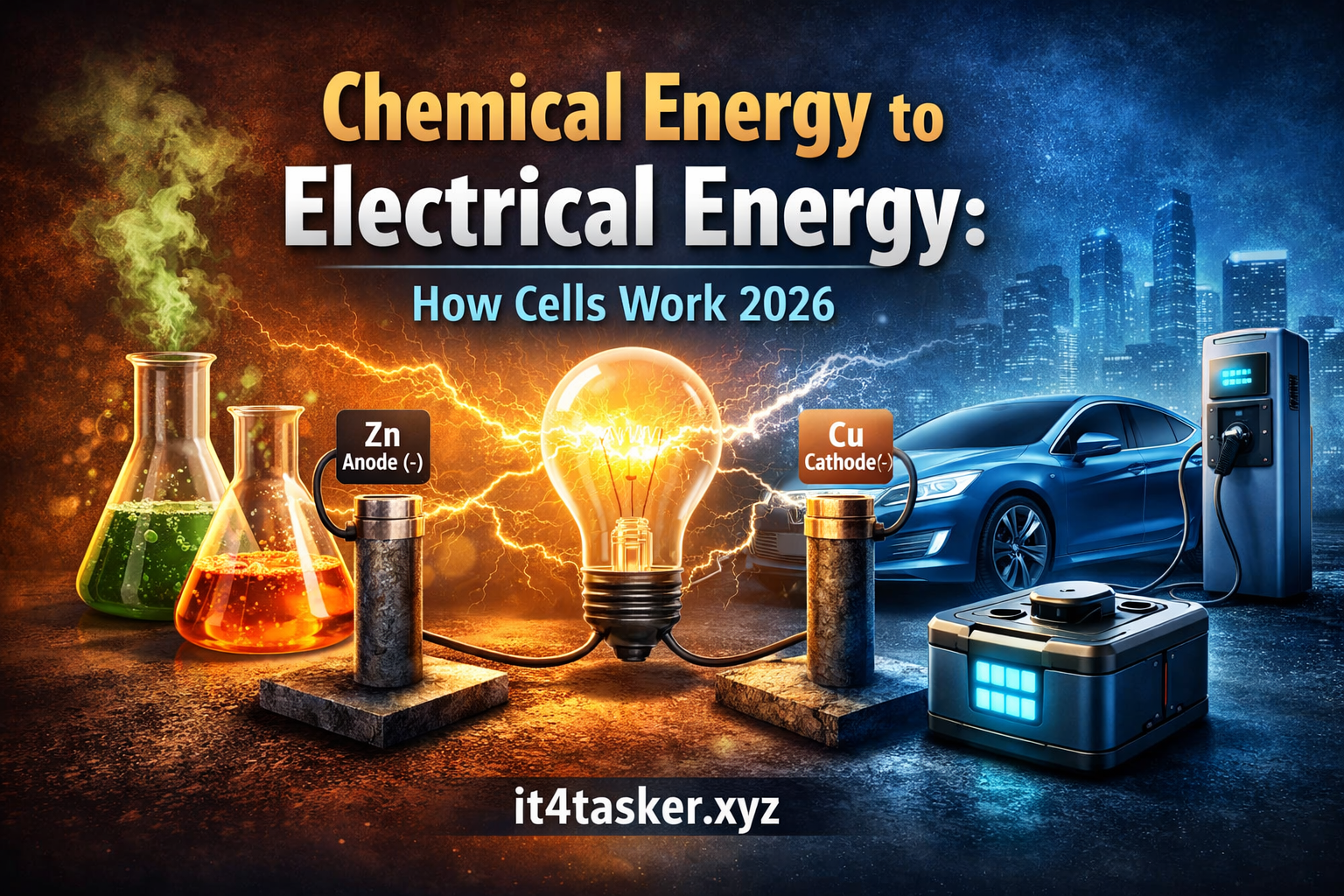
In today’s modern era, there is a very important principle behind all the mobiles, laptops, vehicles, UPS or solar systems that we use, and that is converting chemical energy into electrical energy. This process is mainly done through electrochemical cells.
If you think about it, remotes, watches, mobiles, power banks, car batteries, inverter batteries and even electric vehicles also work on the same principle. This means that electrons are produced through chemical reactions and these electrons create current.
This conversion of energy is very important for human development. If there were no batteries, today’s entire digital system would have stopped. That is why even in 2026, scientists are busy creating new battery technology to make a more powerful and long-lasting battery.
Basic concept of energy conversion
When a substance undergoes a chemical reaction, energy is produced or absorbed. If this energy is extracted in a controlled manner, it can be converted into electricity. An electrochemical cell works on this principle. It consists of two metals, a solution, and a circuit, which together move electrons.
This is just like water collecting in a dam and then turning a turbine to generate electricity, but
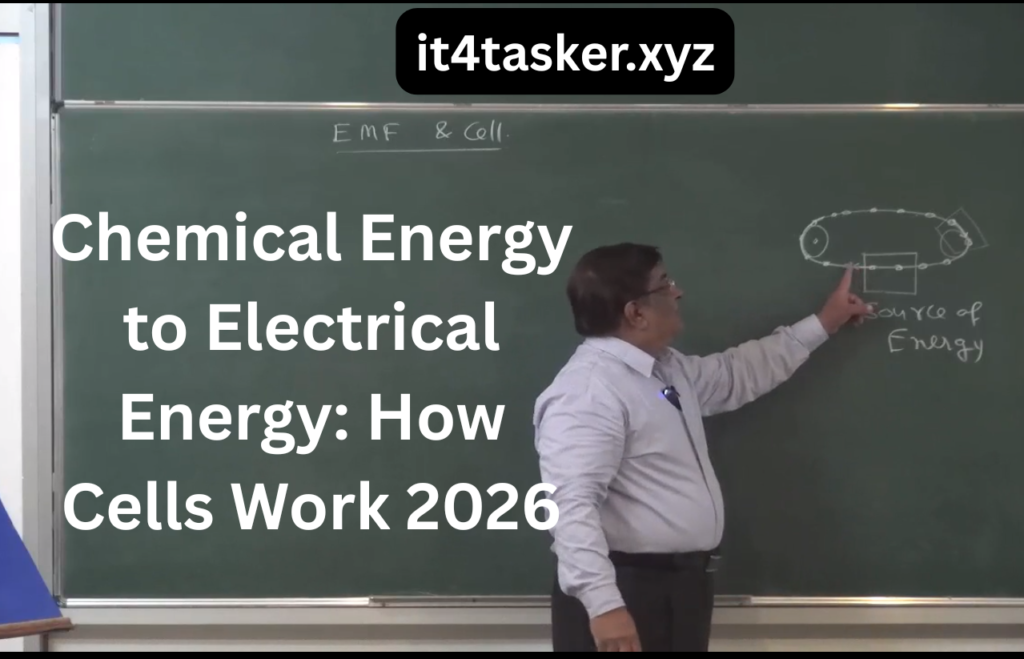
here chemical reaction works instead of water.
Uses in daily life
- Mobile battery
- Car battery
- UPS
- Solar system
- Power bank
- Electric bike
All these are examples of electrochemical cells.
What is an electrochemical cell
An electrochemical cell is a device that generates electricity through a chemical reaction. It has two electrodes and an electrolyte solution. When a reaction occurs between them, electrons move and electricity is generated.
In science, it is divided into two parts:
- Galvanic cell
- Electrolytic cell
The principle of both is the same but the work is different.
Basic principle of electrochemistry
There are two main processes in electrochemistry:
- Oxidation = giving electrons
- Reduction = taking electrons
These two processes occur together and are called redox reaction.
Basic parts of the cell
Every cell has three main parts:
What is the anode
The anode is the place where oxidation occurs, that is, electrons come out.
What is the cathode
The cathode is the place where reduction occurs, that is, electrons come in.
What is an electrolyte
It is a solution in which ions move and complete the circuit.
Together, these three operate the cell.
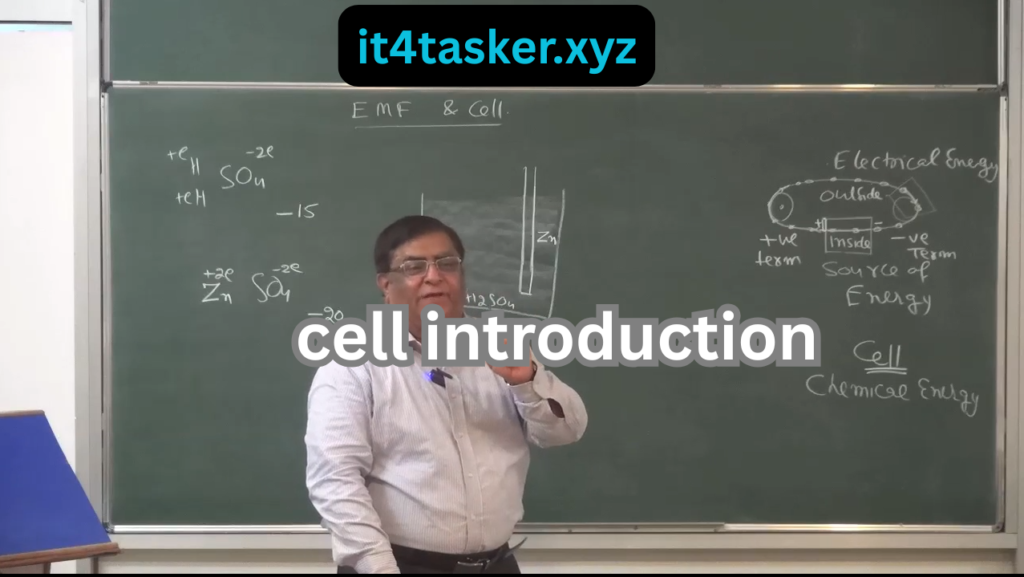
How is electricity produced from chemical energy
When two different metals are put into a solution, a chemical reaction starts between them. One metal releases electrons and the other takes electrons. This process produces voltage.
If this voltage is transmitted to a device through a wire, it starts to operate.
Oxidation and reduction reaction
Example:
Zn → Zn²⁺ + e
Cu²⁺ + e → Cu
This same process occurs inside a battery.
How is electron flow formed
- Electrons leave the anode
- Go to the cathode through the wire
- This current is formed
This is what we call electricity.
Explanation of Galvanic Cell (Voltaic Cell)
This is a cell that produces electricity by reacting automatically. It is called battery in common language.
How it works
- The reaction itself takes place
- Electrons flow
- Current is created
Example – Battery
- AA battery
- Mobile battery
- Car battery
These are all galvanic cells.
What is an electrolytic cell
A chemical reaction is made in this cell by supplying electricity.
Where is it used
- Electroplating
- Metal cleaning
- Hydrogen production
How does a battery work? Modern technology in 2026
Battery technology has come a long way in 2026. Now most batteries are made of Lithium-ion.
Lithium-ion battery
- Mobile
- Laptop
- Electric car
Electric vehicles
Now the world is moving towards electric cars because the battery has improved.
Advantages and disadvantages of cells
| Advantages | Disadvantages |
|---|---|
| Easy electricity | Limited lifespan |
| Portable | Expensive |
| Safe | Difficult to recycle |
Importance of cells in modern times
In today’s world, nothing can run without a battery.
Mobile, internet, car, hospital all run on batteries.
That is why scientists are working on creating new batteries.
Conclusion
The principle of converting chemical energy into electrical energy is the basis of modern science Electrochemical cells allow us to use portable electricity. Battery technology is advancing further in 2026 and more powerful cells will be created in the future.
FAQs
1. What is an electrochemical cell
It is a device that generates electricity through a chemical reaction.
2. What is an anode
Where oxidation occurs.
3. What is a cathode
Where reduction occurs.
4. How does a battery generate electricity
By the flow of electrons.
5. What is a modern battery
Lithium-ion